Last updated: 30 October 2026
After an embryo transfer, fresh or frozen, most people go home with a head full of advice from relatives, friends and online forums. Some of it is sensible. Some of it only adds worry. This guide sets out the precautions after embryo transfer in IVF that are supported by research and by published hospital guidance, and explains which common rules are myths.
It focuses on practical do’s and don’ts: activity, rest, sleep, food, medicines and warning symptoms. For the emotional side of waiting and when to take a test, see our guide to the two-week wait. If you had IUI rather than an embryo transfer, read what happens after IUI instead.
In short. Take your medicines exactly as prescribed, carry on with normal daily life, avoid strenuous exercise and heavy lifting, avoid alcohol and smoking, do not test early, and call the centre the same day for heavy bleeding, severe pain, fever or breathlessness. Bed rest is not needed.
Precautions after embryo transfer in IVF: the short list
The table below summarises the main after embryo transfer precautions. Your own doctor may add instructions that apply to your situation, and those come first.
| Do | Avoid |
|---|---|
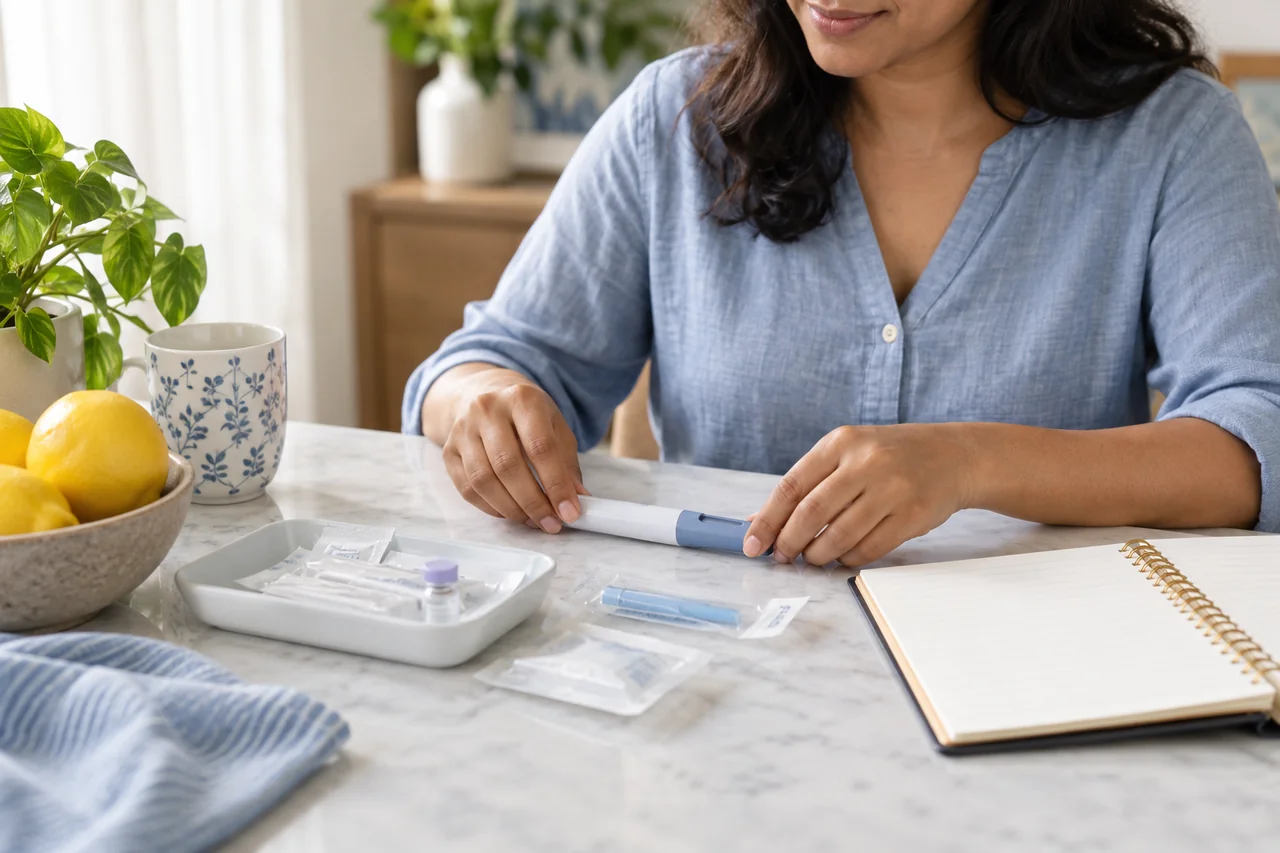
| Take progesterone and any other prescribed medicines exactly as directed, even if you have some spotting | Stopping or changing a medicine without speaking to your doctor first |
| Carry on with normal daily activity, walking and desk work | Strenuous exercise and heavy lifting in the first two weeks |
| Eat a balanced diet and follow pregnancy food-safety advice | Alcohol, smoking and more than 200 mg of caffeine a day |
| Use only medicines your doctor has said are safe for you | Over-the-counter painkillers, herbal remedies or new supplements without checking first |
| Take the pregnancy test on the date your clinic gives you | Testing early at home |
Hospital guidance for patients after embryo transfer is consistent on these points. One NHS leaflet advises patients to “live normally but avoid strenuous exercise” for the next two weeks, and to take only medication prescribed by a doctor and safe in pregnancy. Another tells patients not to stop any prescribed medicine, even if bleeding starts before the test date.
Do you need bed rest after embryo transfer?
No. Bed rest used to be advised in the belief that it would stop the embryo “falling out”. Trials do not support this. A 2016 review of four randomised trials (757 women) found that bed rest after embryo transfer did not improve pregnancy or live birth rates, and the implantation rate was lower in the bed-rest groups. A 2019 review of five trials (1,002 women) found that getting up straight away did not reduce the chance of pregnancy, and concluded that bed rest should not be recommended.
So you can sit, stand, walk around the house and use the toilet normally after transfer. If you want to take the rest of the day easy, that is fine too; it is simply not a requirement.
Climbing stairs, work and travel
Precautions after embryo transfer: climbing stairs
Climbing stairs at a normal pace is ordinary daily activity. We could not find any study showing that it affects the result, and the bed-rest trials above found that being up and about does not lower the chance of pregnancy. Use the stairs as you usually would, and avoid carrying heavy loads up and down.
Going back to work and travelling
Most people can return to work once they feel ready, especially if the work is not physically demanding. If your job involves heavy lifting or very strenuous work, ask your doctor what is suitable. Before long journeys, check with your doctor, and carry your medicines and the centre’s phone number with you.
After embryo transfer sleeping position
We could not find any research showing that sleeping position after embryo transfer affects implantation. Sleep on your back, side or front, whichever is comfortable, unless your doctor has advised otherwise. If you use vaginal progesterone, follow the timing instructions on your prescription.
Food, drinks, medicines and supplements
- Food. We could not find reliable evidence that any particular food helps or harms implantation. A balanced diet is sensible. Because you may be pregnant, it is reasonable to follow pregnancy food-safety advice, such as the NHS guidance to avoid unpasteurised dairy foods and raw or undercooked meat.
- Caffeine and alcohol. NHS pregnancy advice is to have no more than 200 mg of caffeine a day (a mug of instant coffee has about 100 mg and a mug of tea about 75 mg) and to avoid alcohol.
- Smoking. Avoid smoking and second-hand smoke.
- Medicines. Ask before taking any painkiller or other medicine. The RCOG advises people with OHSS (see below) to avoid anti-inflammatory painkillers such as ibuprofen.
- Supplements. NHS advice for anyone trying to get pregnant includes folic acid and vitamin D. Continue the supplements your doctor has prescribed, and check before starting anything new.
- Sex. Advice on intercourse after embryo transfer varies between clinics, and good evidence is limited. Ask your doctor what applies to you.
After embryo transfer: day-by-day symptoms
Many people look for a list of after embryo transfer day by day symptoms that will show whether the transfer has worked. No such list is reliable. The progesterone given after transfer can cause breast tenderness, bloating, tiredness and mild cramps, which are the same feelings as early pregnancy. Here is what people commonly notice, and what it means.
| When | What some people notice | What it means |
|---|---|---|
| First day or two | Mild cramping; a watery or slightly blood-stained discharge | NHS guidance notes that this discharge comes from the cervix and is often normal after the procedure. Call if pain or bleeding increases. |
| First week | Bloating, breast tenderness, tiredness, mood changes | Common with progesterone support. Not a sign either way. |
| Second week | Light spotting or cramps | Can happen both with implantation and before a period. Keep taking your medicines and do not test early. |
| Test day | Blood or urine pregnancy test | Test on the date your clinic gives you. Testing earlier can give a false result. |
Testing early is one of the most common sources of distress. The HFEA advises patients not to test before the given date because the result may be false, and NHS guidance explains that the trigger injection given before egg collection can stay in the body for 8 to 10 days and make a test positive even if you are not pregnant.
No symptoms after embryo transfer: is that a bad sign?
No. Having no symptoms after embryo transfer is common, both in people who turn out to be pregnant and in people who do not. Having symptoms does not confirm a pregnancy either. Only the test on your clinic’s date can tell you the result. Our article on the two-week wait explains why symptom-watching is so misleading.
Negative signs after embryo transfer, and when to call the centre
People who search for negative signs after embryo transfer usually want to know whether there is an early sign that the cycle has not worked. There is no reliable one. Even bleeding before the test date does not always mean the treatment has failed, which is why NHS units ask patients to keep taking their medicines and still test on the date given.
Some symptoms do need medical advice. Call the centre the same day if you have:
- Heavy bleeding
- A raised temperature or feeling generally unwell
- Tummy pain that is not relieved by the pain relief your doctor has said is safe for you
- Increasing tummy swelling or bloating, vomiting, passing only small amounts of dark urine, or difficulty breathing. These can be signs of ovarian hyperstimulation syndrome (OHSS), which the RCOG describes as a potentially serious complication of IVF
- Lower tummy pain or bleeding after a positive pregnancy test
A swollen, tender leg, chest pain or breathlessness needs urgent care. If you cannot reach the centre, go to your nearest emergency department.
What to do after embryo transfer: what actually helps
A popular search is what to do after embryo transfer to increase success. The honest answer is that nothing you do at home in these two weeks has been shown to raise the chance of pregnancy. The factors that matter most, such as the embryo and the uterine lining, were set before the transfer. What does help is practical: taking your medicines correctly and not stopping them early, avoiding alcohol and smoking, keeping a gentle routine and getting support when the wait feels hard. Our counselling page explains the support available.
Questions to ask before you leave on transfer day
- Which medicines should I take, at what dose, and until when?
- What is my pregnancy test date, and is it a blood test or a urine test?
- Are there any activity limits that apply to me?
- Which pain relief is safe for me if I have cramps?
- Whom should I call if I have a concern outside clinic hours?
Questions after embryo transfer at Sree Nandaka IVF, Kompally
If you have a question about your medicines or symptoms after embryo transfer, call the centre on +91 76720 01080. You can also discuss your treatment plan with Dr. Deepa Rekha Koduru, Fertility Specialist (MBBS, DGO; DRM, Diploma in Reproductive Medicine, Germany; MRM, Master in Reproductive Medicine, Homerton University, London; Reg. No. 54076). To understand the earlier steps, read our guides to embryo grading, frozen embryo transfer and the IVF process, or see IVF treatment in Kompally.
Frequently asked questions
Take your medicines exactly as prescribed, carry on with normal light activity, avoid strenuous exercise and heavy lifting, avoid alcohol and smoking, keep caffeine under 200 mg a day, and test only on the date your clinic gives you. Call the centre for heavy bleeding, severe pain, fever or breathlessness.
No. Reviews of randomised trials found that bed rest did not improve pregnancy or live birth rates, and one found a lower implantation rate with bed rest. Normal daily activity is fine unless your doctor advises otherwise.
Yes. Climbing stairs at a normal pace is ordinary activity and has not been shown to affect the result. Avoid carrying heavy loads.
We could not find research showing that sleeping position affects implantation. Sleep in whichever position is comfortable unless your doctor has advised otherwise.
Yes. Many people notice no symptoms, whether or not they are pregnant. Symptoms, or their absence, cannot tell you the result; only the test on your clinic’s date can.
There is no reliable early sign that a cycle has not worked, and even bleeding before the test date does not always mean it has failed. Keep taking your medicines, test on the given date, and call the centre if bleeding is heavy or you have pain, fever or breathlessness.
Yes. Eat a balanced diet and follow pregnancy food-safety advice. Avoid alcohol and keep caffeine to no more than 200 mg a day.
Conclusion
The precautions after embryo transfer in IVF are simpler than most online lists suggest. Take your medicines as prescribed, live normally without strenuous exercise or heavy lifting, avoid alcohol and smoking, and wait for the test date your clinic gives you. Bed rest, special sleeping positions and “implantation foods” have not been shown to help. Know the warning symptoms, and call the centre whenever you are unsure.
Book a consultation at our Kompally centre
Sree Nandaka IVF Centre, Plot 770, Jayabheri Park, behind Big Bazaar, Kompally, Hyderabad, Telangana 500014.
- Call +91 76720 01080
- Message us on WhatsApp +91 76720 01080 or email sreenandakafertility@gmail.com
- Book a Consultation online (MocDoc)
Please note. This article is general information, not medical advice. Follow the instructions your own doctor gives you after transfer. No treatment or precaution can guarantee a pregnancy.
Sources
- Craciunas L, Tsampras N. Bed rest following embryo transfer might negatively affect the outcome of IVF/ICSI: a systematic review and meta-analysis. Hum Fertil (Camb). 2016;19(1):16–22
- Cozzolino M, Troiano G, Esencan E. Bed rest after an embryo transfer: a systematic review and meta-analysis. Arch Gynecol Obstet. 2019;300(5):1121–1130
- Manchester University NHS Foundation Trust (Saint Mary’s): After your embryo transfer – patient information leaflet (updated January 2026)
- Cambridge University Hospitals NHS Foundation Trust: Patient information after embryo transfer
- Human Fertilisation and Embryology Authority (HFEA): In vitro fertilisation (IVF)
- Guy’s and St Thomas’ NHS Foundation Trust: IVF treatment – results of your pregnancy test
- Gateshead Health NHS Foundation Trust: Pregnancy test (BhCG)
- Royal College of Obstetricians and Gynaecologists (RCOG): Ovarian hyperstimulation syndrome (OHSS) – patient information
- NHS: Foods to avoid in pregnancy
- NHS: Planning your pregnancy
Written by the Sree Nandaka IVF Centre editorial team, Kompally. General information only — not a substitute for a consultation.