Most IVF information covers the medicine well and the practicalities poorly. This is about the practicalities — what the weeks actually look like, and what is worth arranging before you start. If you are planning treatment locally, see IVF treatment in Kompally.
Three months before, if you have the time
Both eggs and sperm take around three months to mature, so changes made now affect the cells used in your cycle. If you have the luxury of planning ahead:
- Stop smoking, both partners. This has the clearest effect of anything on this list.
- Reduce alcohol.
- Start folic acid, and have vitamin D checked — deficiency is very common in India, including in people who spend time outdoors.
- Address weight where BMI is outside the healthy range. Response to stimulation is better within it.
- Have thyroid function checked and corrected if needed.
- Review all medicines with your doctor.
- Establish some regular moderate exercise — useful now and helpful for the stress later.
Practical arrangements before you start
Work
Most people continue working through a cycle. What you need is not extended leave but flexibility: monitoring scans happen every two to three days, usually early in the morning, and cannot be rescheduled around a meeting because follicles do not wait. You will need one full day off for egg collection, and it is worth keeping the transfer day light.
Decide in advance how much you want to tell your employer. There is no obligation to explain, but some people find a vague arrangement harder to sustain than a frank one.
Injections
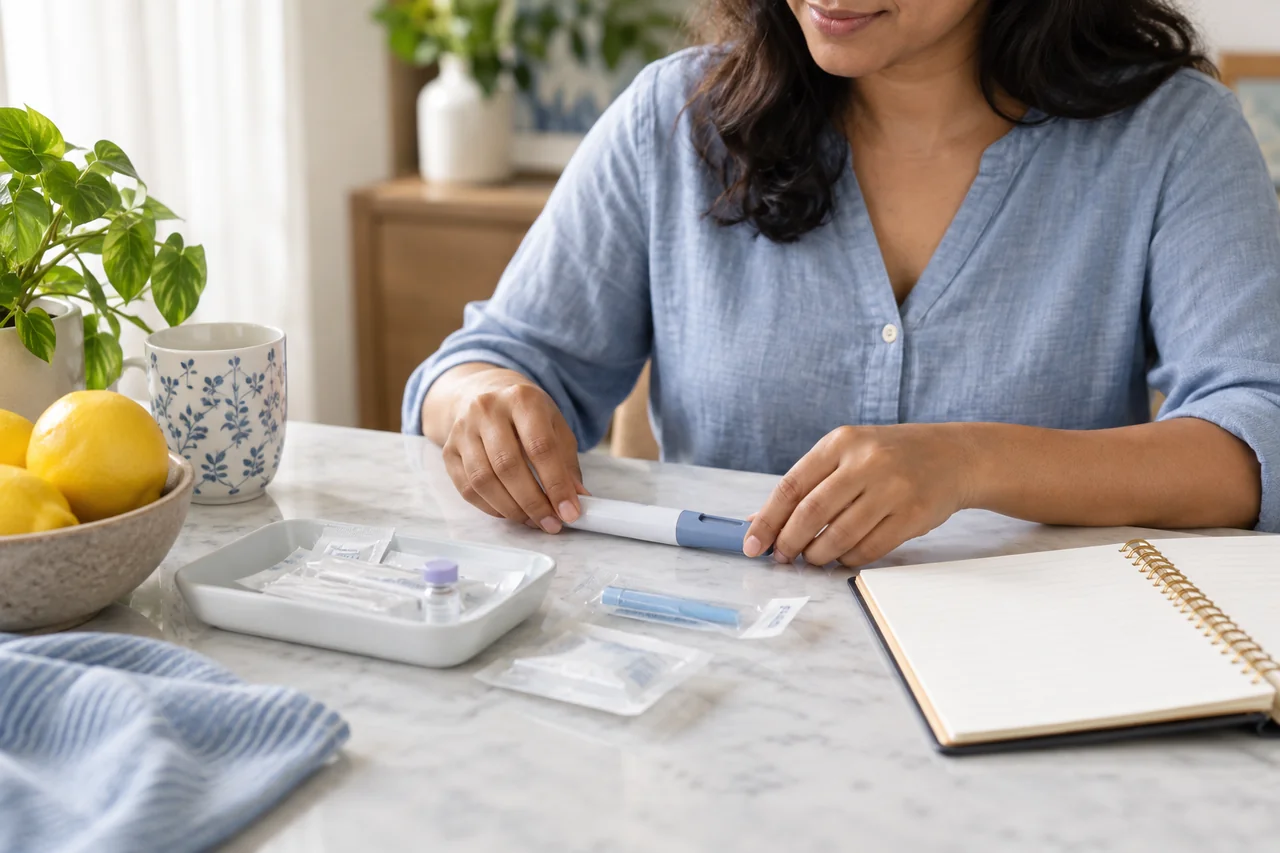
This is the part people dread most and find easiest in practice. The needles are fine and short, the injections are subcutaneous into the abdomen or thigh, and most people are managing them confidently within two or three days. You will be taught before you start.
What helps: keep them at the same time each day, set an alarm, rotate the site, and let the medicine come to room temperature first. If a partner is doing them, have them taught too.
Money
Get a written, itemised estimate before you begin, and be clear about what is not in it — medication in particular is often billed separately and varies several-fold between individuals. Ask what happens to the cost if the cycle is cancelled, and what a frozen transfer would cost later. Financial surprises mid-cycle are a common and entirely avoidable source of distress. Our guide to IVF cost in Kompally lists what it should include.
Who you tell
Worth deciding deliberately rather than by default. Telling nobody is isolating; telling everybody means fielding questions at every stage, including the ones you least want to answer. Many people settle on one or two people who will actually be useful.
During stimulation
Expect around ten to fourteen days of injections with scans every few days. Bloating and tenderness are normal as the ovaries enlarge — by the end, waistbands are uncomfortable and clothes matter more than you would expect.
Mood effects are common and are not imagined; you are taking substantial doses of hormones. Being told this in advance helps.
Contact the clinic if you have severe abdominal pain, rapid weight gain, significant swelling, breathlessness or reduced urine output. These are the warning signs of ovarian hyperstimulation syndrome and they are worth reporting early rather than waiting.
Egg collection day
Performed under sedation, takes around twenty minutes, and you go home the same day. You will need someone to accompany you and you must not drive afterwards. Fasting instructions matter — follow them exactly or the procedure may be postponed.
Afterwards, expect cramping like period pain and some spotting for a day or two. Plan to do nothing that evening.
The laboratory updates
You will be told how many eggs were collected, then the next day how many fertilised, then how the embryos are developing. Understand before you start that there is attrition at every stage: not every egg collected is mature, not every mature egg fertilises, and not every fertilised egg reaches day five.
Numbers falling at each step is the normal pattern, not a sign that something has gone wrong. People who know this in advance find the daily calls far less frightening.
Transfer and the wait
The transfer itself is quick, needs no anaesthetic, and feels similar to a smear test. Usually a single embryo is placed, which is the safer decision where a good embryo is available.
Then the two-week wait, which almost everyone finds the hardest part. Bed rest does not improve outcomes — normal activity, work and gentle exercise are fine. Early home testing is a common source of unnecessary anguish because results can mislead in both directions after fertility treatment. Wait for the blood test.
If embryos are frozen, the transfer may happen in a later cycle; our guide to frozen embryo transfer explains how that works.
What actually helps
Sleep, ordinary food, some movement, and one person you can be honest with. Beyond stopping smoking and correcting a genuine deficiency, the supplement industry has little to offer that changes outcomes. Save the money and the mental effort.
Please note. This page is general information, not medical advice. What is appropriate for you depends on your history, your investigations and a specialist assessment. No fertility treatment can guarantee a pregnancy.
Reviewed by the clinical team at Sree Nandaka IVF Centre, Kompally. General information only — not a substitute for a consultation.